
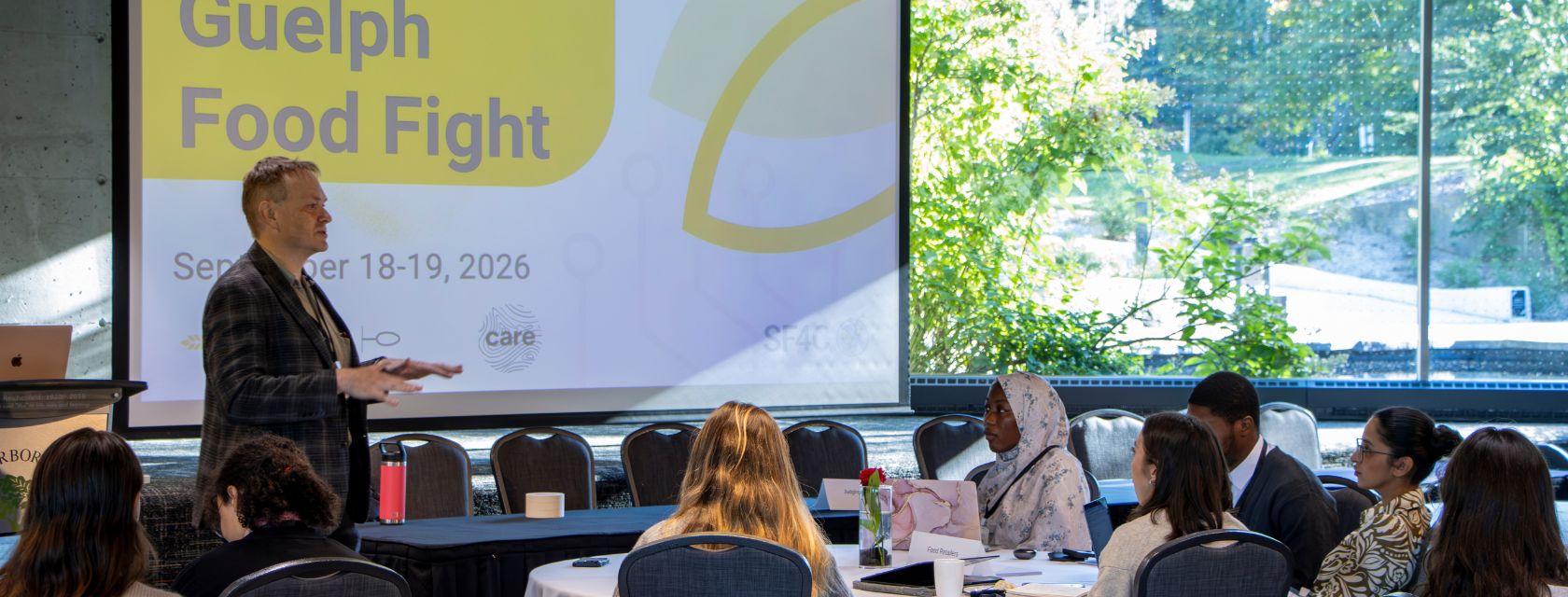
Students worked collaboratively to find solutions to real-world food problems
What happens when students are asked not just to study the challenges facing food systems, but to step inside them and make decisions with competing priorities, limited resources and no easy answers?
Nearly 50 students gathered at the University of Guelph for the inaugural Guelph Food Fight, an immersive policy simulation developed by Arrell Food Institute (AFI).
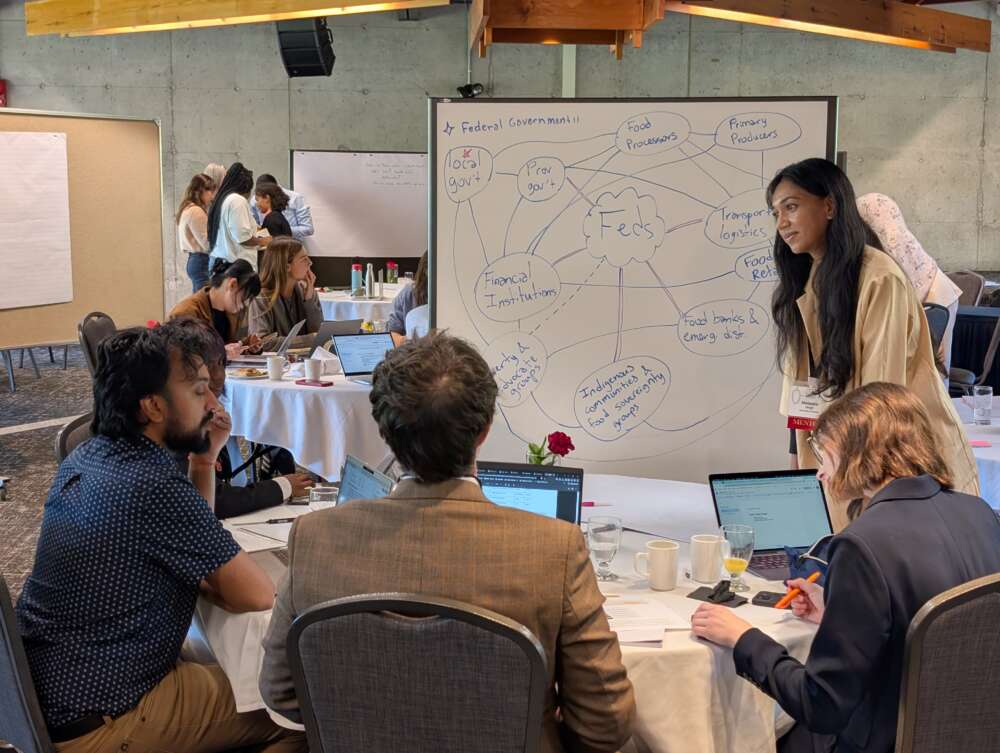
Part Model United Nations and part role-playing game, the Food Fight places students into a fictional but plausible food crisis shaped by climate change, geopolitical instability and an emerging infectious disease. Rather than observing from the sidelines, participants assume the roles of governments, producers, community organizations and other food-system interest holders and are compelled to respond as events unfold around them.
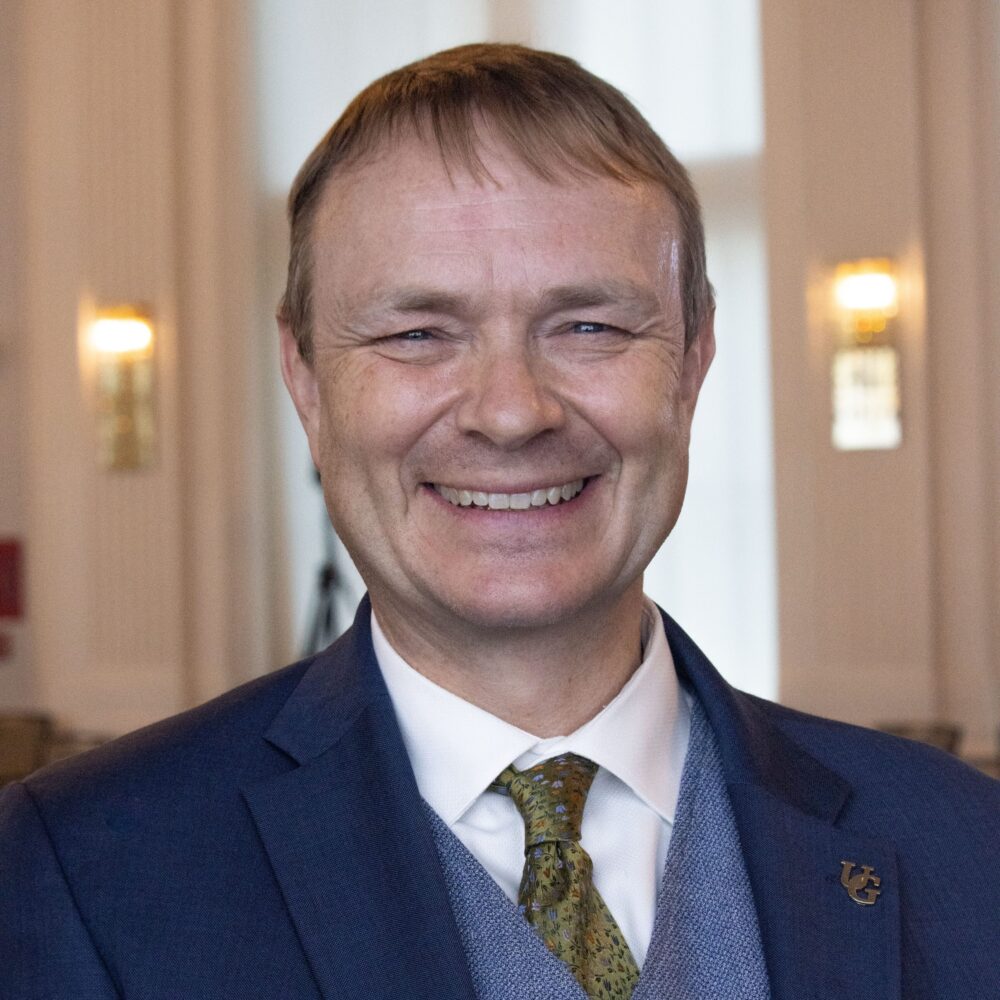
The simulation was developed by Dr. Evan Fraser, executive director for AFI and professor of geography, who served as the game master throughout the weekend.
“This event was born out of a desire to lean heavily into experiential education and create a simulation of real-world decision-making,” Fraser says. “It’s only by taking some of our energy and using it to step outside of the classroom and engage in this sort of role-play exercise that we will equip students to be effective leaders in a world beset by massive disruption.”
The event was held as part of SF4Ccollide, an initiative of Sustainable Food Systems for Canada (SF4C). Participants included U of G students as well as scholars from the Climate Action, Resilience and Empowerment (CARE) consortium, which brings together the University of Guelph, the University of British Columbia, the University of Toronto and Sciences Po in Paris.
Students gain real-world experience
Food Fight reflects AFI’s broader work to convene researchers, students, policymakers, industry and communities together around some of the most complex challenges food systems are facing.
By putting students at the centre of that conversation, future food leaders are learning to address coming challenges.
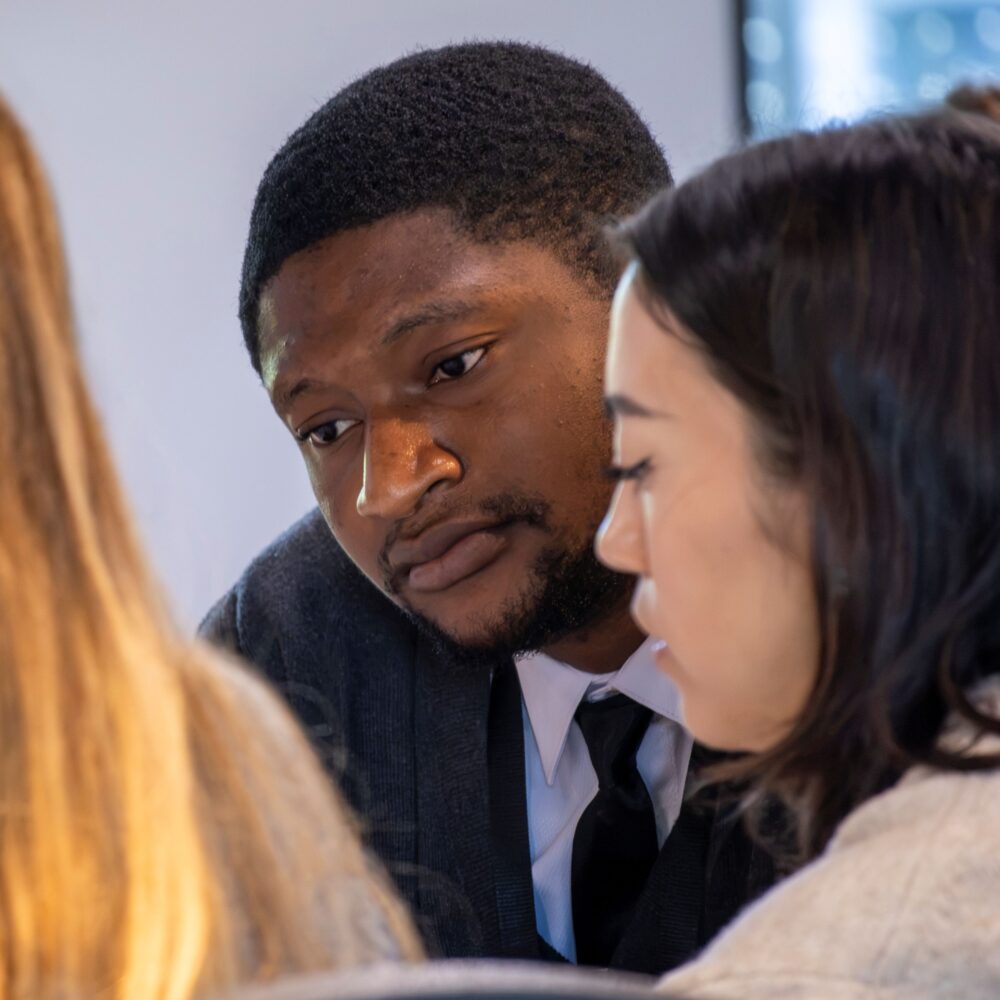
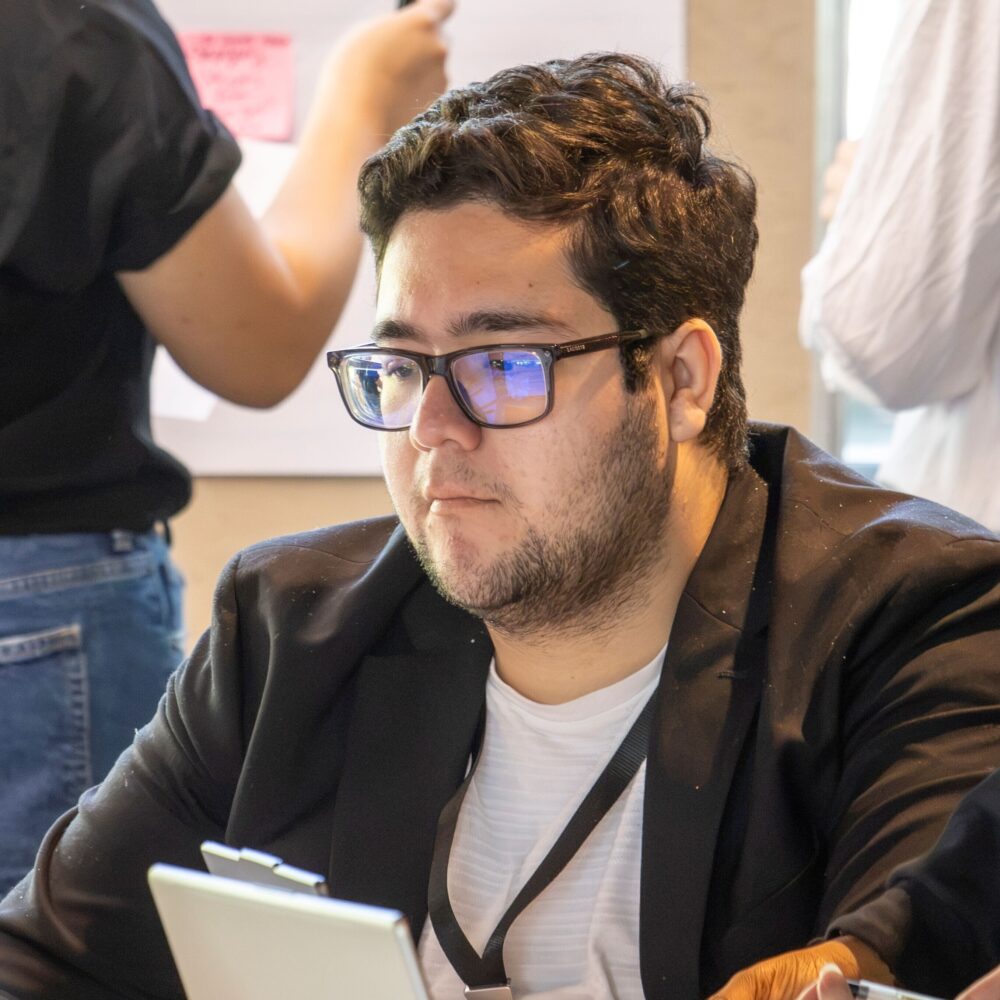
For Richmore Ibeh, a master’s student in plant agriculture at U of G, the Food Fight offered an opportunity to step outside his field of study and consider the food system from a different perspective.
“My background is in plant agriculture, so I’m used to looking at the food system more from the perspective of a producer. Taking on the role of a food retailer for the first time has been challenging, but fun. Our responsibility is to make sure there is food on the shelves, while prioritizing profit margins and maintaining public trust. It’s given me a broader view of the food system and shown me how important negotiation is when you’re trying to balance all these different priorities.”
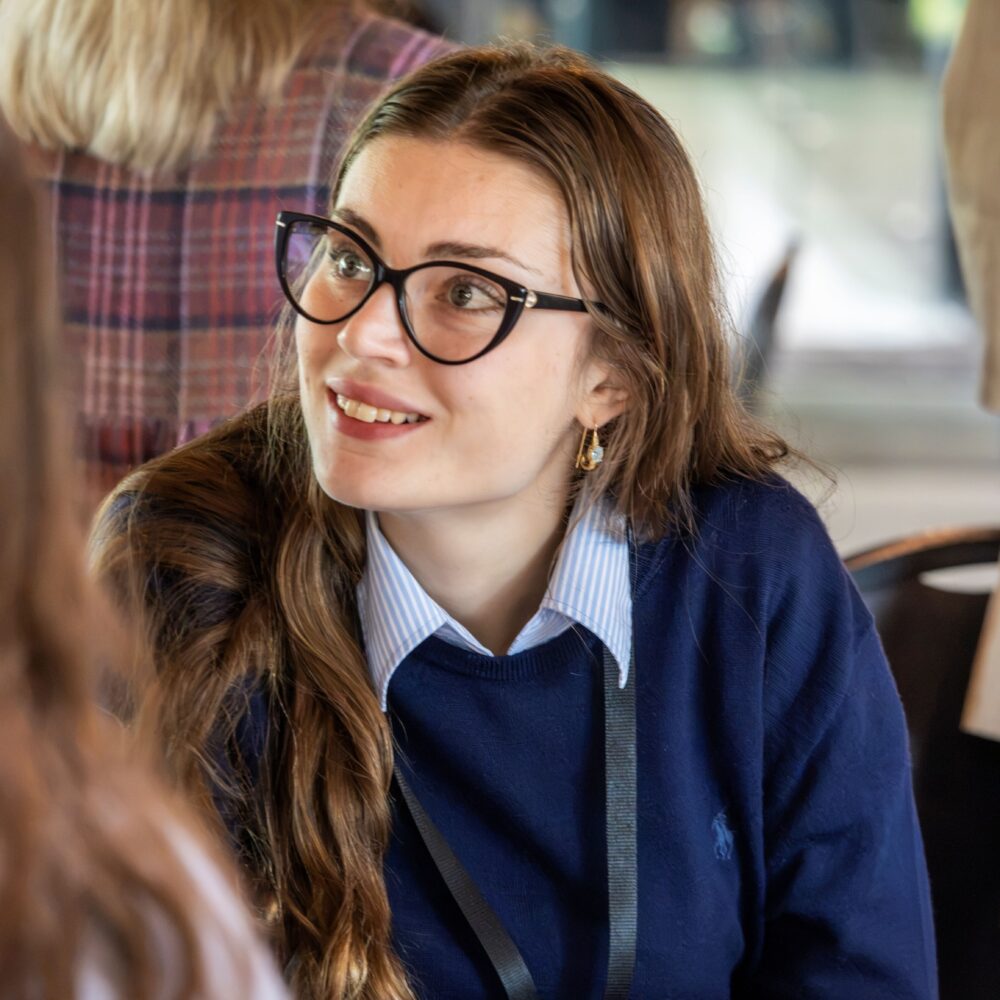
The Food Fight offered Elena Bigarella, a CARE scholar and governance and policy student at Sciences Po, a new perspective.
“I study international governance, but I haven’t worked in food systems before. I’m learning a lot about how food systems work and how delicate the food supply chain is. You start to see the struggles facing farmers, governments and communities in this scenario.”
Luis Sanchez Diaz, another CARE scholar and Master of Public Policy candidate at the University of Toronto’s Munk School of Global Affairs & Public Policy, saw the Food Fight as an opportunity to put classroom learning into practice.
“It’s a great opportunity to apply coursework to real-life decision-making and the challenges communities are encountering. The program will also have a tangible outcome through the Guelph Declaration, which could help inform decision-making in the agri-food sector.”
From the Food Fight to the Guelph Declaration
The weekend in Guelph marks only the beginning of the simulation.
Following the in-person event, participants will continue working together online for six weeks. Their work will culminate in the Guelph Declaration — a student-led vision outlining priorities and recommendations for building a more resilient global food system. The process gives participants an opportunity to take what emerged through the simulation and turn those discussions, disagreements and compromises into a shared set of ideas.
Dr. Lauren Sneyd, a lecturer and course developer in the areas of food studies, sustainability innovation and global development, helped facilitate the Food Fight.
“The students jumped right into their roles, and it’s been fantastic to see their creative problem-solving,” Sneyd says. “I hope they take away an experience and a memory that they carry forward. They’re roleplaying now, but when they start their careers, they’re going to take on serious roles where they’ll be making difficult decisions.”